Last updated:
How to Track Expenses Daily Without Burnout or Guesswork
If you keep asking where your money went this week, the problem is usually not math — it is that you are not tracking your spending consistently enough to see the pattern early.
Most people do not fail at expense tracking because they do not understand the idea.
They fail because:
- the process feels annoying
- they try to track too perfectly
- they rely on memory
- they stop after a few days
- they do not turn the numbers into decisions
Daily expense tracking works when it is light, repeatable, and connected to a bigger system.
When do you need daily expense tracking?
If you keep asking:
- Where does my salary go?
- Why does money disappear so quickly?
- Why do I overspend even when I try to be careful?
- How do I control spending better?
- How do I know what to cut first?
Then daily expense tracking is usually the missing step.
It helps you:
- track your spending with real visibility
- find money leaks faster
- review expenses with less guessing
- manage expenses using data instead of feelings
- support a better budget framework
You do not need perfect accounting.
You need enough visibility to see what is actually happening.
What is daily expense tracking?
Daily expense tracking means recording your spending consistently enough that you can see:
- where your money goes
- which categories repeat
- which behaviors create pressure
- what needs adjustment next
It is not:
- entering every detail into a giant spreadsheet
- obsessing over tiny amounts all day
- building a perfect financial report
It is a practical habit.
The goal is simple: capture enough real spending data to make better decisions.
The full step-by-step expense tracking system
1) Track real spending, not ideal spending
Do not only log the purchases you feel good about.
Track the messy reality too:
- rushed spending
- emotional spending
- “small” spending
- repeat purchases
That is where the insight usually lives.
2) Build the habit around convenience
A habit survives when it is easy.
Make tracking easier by:
- logging right after purchase
- keeping categories simple
- using one consistent tool
- reviewing at a fixed time
3) Focus on signal, not perfection
Your goal is not a beautiful report.
Your goal is to answer:
- where did the money go?
- what category is getting risky?
- what habit needs attention?
4) Spot money leaks early
A money leak is usually:
- repeated
- easy to ignore
- emotionally justified
- expensive over time
Daily tracking helps you find those before they become a monthly problem.
5) Connect tracking to spending control
Tracking alone does not fix overspending.
It helps you:
- review your budget better
- control spending earlier
- adjust categories with more confidence
- make calmer decisions
That is why it should feed directly into the Budget Framework.
6) Use weekly review to make corrections
Daily tracking creates the raw material.
Weekly review tells you what to do with it.
That is how the full system works.
Daily expense tracking checklist
Save this checklist and use it every day 👇
- [ ] I logged spending on the same day
- [ ] I used simple categories
- [ ] I did not skip small repeat purchases
- [ ] I kept the process short
- [ ] I reviewed totals briefly
- [ ] I noticed one pattern or leak
- [ ] I connected the data to my budget
- [ ] I used the numbers in weekly review
- [ ] I did not quit after missing one day
- [ ] I focused on consistency, not perfection
Real example with numbers
Let’s say someone has $300 of flexible weekly spending after fixed essentials.
At first glance, everything seems normal.
But after 7 days of tracking, the numbers show:
- coffee and snacks: $32
- delivery fees: $18
- quick convenience buys: $27
- extra grocery visits: $41
That is $118 in scattered spending that did not feel serious in the moment.
Without daily tracking, it would just feel like:
“I don’t know why I’m short again.”
With tracking, the pattern becomes obvious.
Now the weekly decision is easier:
- limit convenience spending
- reduce delivery frequency
- shop once with a list
That is how daily tracking turns confusion into control.
Advanced insights to control spending patterns
1) Watch timing patterns
Ask:
- Which day is usually worst?
- What time of day creates weak decisions?
- Which situations create rushed spending?
2) Identify spending triggers
Common triggers include:
- stress
- hunger
- low energy
- busy workdays
- social habits
- convenience pressure
If you know the trigger, you can design a better response.
3) Look for repeated categories, not isolated mistakes
One random purchase may not matter much.
A repeated category usually does.
4) Use one daily rule
A strong tracking rule could be:
If I spend, I log it before the day ends.
Simple rules are easier to keep.
5) Review tracking quality weekly
Do not just ask what you spent.
Also ask:
- Did I capture the important data?
- Which entries did I tend to avoid?
- Where is my tracking still weak?
Daily tracking vs weekly review: which matters more?
Daily tracking shows you what happened.
Weekly review tells you what to do next.
- Daily tracking = visibility
- Weekly review = correction
You need both.
But daily tracking is usually where control starts.
How Expensely Pro helps
Start tracking your spending with less friction and more clarity using Expensely Pro.
If the hard part is not understanding expense tracking but actually keeping the habit alive, a tool like Expensely Pro helps by making the process easier:
- faster logging
- simpler categories
- clearer weekly patterns
- easier review
- better connection between spending and decisions
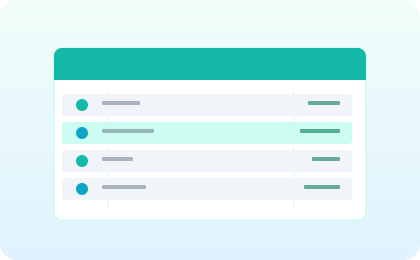
To put these steps into practice daily, use the transactions screen in Expensely Pro — one-tap logging with instant balance updates.
FAQ
Do I need to track every small expense?
Not obsessively, but you do need enough visibility to catch repeated leaks.
What if I miss a day?
Do not quit.
Restart immediately and keep the habit moving.
Is tracking enough to control spending?
Tracking helps, but it works best when combined with budgeting and weekly review. If you only log expenses without a Weekly Review, you still miss the pattern behind the numbers. And if you want to know whether your spending is actually under control, you need a clearer budget framework to compare against.
For the best result, connect this article with: